
Why Gen Z and Millennials Aren’t at Your Gala (And Where They Actually Are)
![[HERO] Why Gen Z and Millennials Aren't at Your Gala (And Where They Actually Are)](https://cdn.marblism.com/JUMsPX_NZIg.webp)
Walk into any high-end nonprofit gala in 2026, and the scene is familiar. The floral arrangements are architectural masterpieces. The sea bass is perfectly flaky. The auctioneer is energetic, and the total on the screen at the end of the night is, by all accounts, a success.
But if you pan the room, a quiet crisis becomes visible in the demographics. The hair is predominantly silver. The suits are bespoke, but the sneakers: the universal uniform of the modern donor: are nowhere to be found.
At Bailey Reed Events, we’ve spent years behind the scenes of these productions. We’ve seen the balance sheets, and we’ve seen the guest lists. There is a persistent, widening gap that most organizations are choosing to ignore in favor of hitting this year's budget.
We call it The Pipeline Problem™.
The reality is stark: Galas are exceptional at raising revenue, but they are failing at building the next generation of donors. If your event strategy begins and ends with a ballroom and a $500 ticket, you aren't just missing a demographic: you’re missing a future.
Why the Gala Is Falling Short
It’s easy to blame "the youth" for a lack of philanthropy, but the data tells a different story. In 2026, Millennials and Gen Z are more engaged in live experiences than any generation before them. They are attending events at record rates; they just aren't attending yours.
Why? Because the traditional gala is fundamentally misaligned with their values.
The Barrier to Entry is Too High For a 28-year-old social media manager or a 34-year-old tech lead, a $500 seat at a table of strangers feels like a barrier, not an invitation. It’s not just the cost; it’s the formal "pay-to-play" nature of the evening. It feels transactional before a relationship has even been established.
The "Vibe" is Outdated Modern donors crave authenticity. They want non-traditional venues and experiences that feel lived-in and real. The stiff, choreographed nature of a 1,000-person gala feels like a performance they are watching rather than a community they are joining.
A Lack of Agency Younger generations want to see the impact of their presence immediately. They aren't interested in being a passive audience to a three-hour slide deck. They want networking opportunities and high-engagement touchpoints that allow them to feel like partners in the mission, not just line items in a budget.

The Pivot: Revenue vs. Relationship
The mistake most organizations make is trying to force a "Young Professionals" committee into a traditional gala structure. They add a DJ after 10:00 PM and wonder why they haven't secured five-figure donors for the next decade.
To fix The Pipeline Problem™, we have to stop treating events as one-off activations and start treating them as a strategic system. This requires a shift in how we categorize our gatherings.
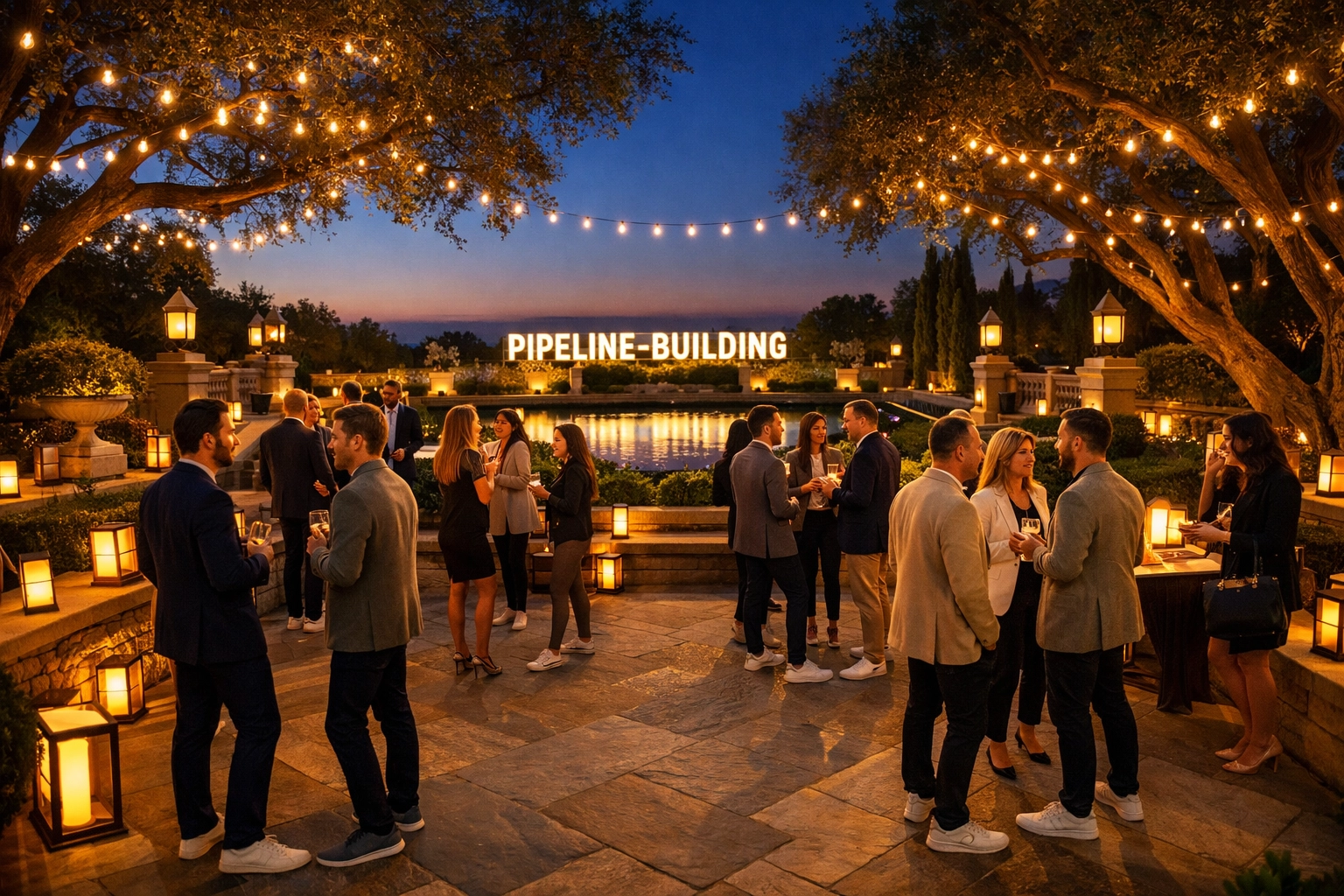
1. Pipeline-Building Experiences (The Awareness Stage)
These are low-barrier, high-engagement entry points. Think of them as the "Top of the Funnel." The goal isn't to raise $100,000 in a night; it’s to capture 200 new emails and introduce your mission to people who have never heard of you.
- What it looks like: A "festivalized" pop-up in an urban park, a high-end panel discussion in a gallery, or a collaborative workshop.
- The Focus: Value-alignment and festivalization.
2. Conversion Moments (The Connection Stage)
Once someone is aware of your work, you need to bridge the gap between "interested" and "invested." These are smaller, relationship-driven gatherings where deep work happens.
- What it looks like: A private tour of your facility, an intimate dinner with the Executive Director, or a "salon-style" evening focusing on a specific program.
- The Focus: Meaningful networking and direct impact.
3. Revenue Events (The Investment Stage)
This is where the gala lives. It is the celebration of the work, the major gift ask, and the primary funding vehicle.
- What it looks like: The traditional high-end fundraiser.
- The Focus: Large-scale ROI and honoring long-term commitment.

Where They Actually Are (And What You Can Learn)
If Gen Z and Millennials aren't at the gala, where are they? Our research shows they are gravitating toward three specific types of experiences:
1. Career-Driven Socializing Over 52% of Gen Z attend events specifically to build professional relationships. They value events that offer more than just a party: they want utility. If your nonprofit event doesn't facilitate attendee engagement and networking, you’re missing their primary motivation for leaving the house.
2. Values-Aligned "Phygital" Spaces They are looking for experiences that blend the digital and the physical. Whether it’s AI-powered personalization or hybrid event elements, they expect technology to remove friction and enhance the story being told.
3. Intentional, Smaller Gatherings There is a massive trend toward "The Power of the Pause." Younger donors are moving away from loud, overwhelming ballrooms and toward intentional, quiet spaces where they can actually have a conversation. They want to know the person sitting next to them, and they want to know the "why" behind your organization.
Why It Matters: The Long Game
Organizations are currently optimizing for short-term revenue while consistently losing long-term relevance. By focusing solely on the gala, you are essentially harvesting a field without ever planting new seeds.
When you solve The Pipeline Problem™, you stop looking at events as a "necessary evil" to fill a budget gap and start seeing them as a strategic development tool. You begin to build a donor journey that feels like a natural progression rather than a series of cold asks.
What does it look like to rethink your calendar? It might mean trading one large gala for three smaller, highly-targeted "conversion moments" and one large-scale "pipeline" experience. It means shifting the metric of success from "How much did we raise tonight?" to "How many new, high-potential donors did we move closer to a major gift?"
Strategy Over Aesthetics
At Bailey Reed Events, we love a beautiful table setting as much as anyone (and we're quite good at them). But a beautiful table won't solve a broken donor pipeline.
We are moving into an era where event planning must be synonymous with donor development. It’s no longer enough to be a "producer"; you have to be a strategist. You have to understand donor behavior, the nuances of generational shifts, and the psychological journey of a gift.
Whether you are looking for corporate event guidance or a complete overhaul of your nonprofit’s event strategy, the goal remains the same: creating experiences that matter to the people you need most.
Final Thought
The next generation of donors is ready to engage. They are philanthropic, they are active, and they are seeking community. But they aren't going to find it in a 1995-style gala.
The organizations that win in the next decade will be the ones that stop trying to invite Gen Z to the gala and start building the experiences Gen Z actually wants to attend. They will move from one-off activations to a cohesive, strategic system that honors the donor at every stage of their journey.
Success isn’t just about the number on the check at the end of the night. It’s about ensuring there is someone there to sign the check twenty years from now.
Ready to rethink your event strategy and solve The Pipeline Problem™? Let’s talk about how to design your donor journey.